

In the fast-paced business world, clear goals are vital for success. Breaking them into actionable steps with deadlines enhances focus, productivity, accountability, and time management. This approach allows for measurable progress and adaptability, guiding businesses towards sustained growth and success amidst market complexities. Embrace this strategy for long-term achievements.
Category Archives: Marketing Coaching
Building a Growth-Oriented Culture: Insights to be on the Lookout for

In today’s competitive market, efficient marketing is crucial for sustained growth. Executive coaching can optimize marketing efforts by aligning strategies with business goals, leveraging data for decision-making, understanding the target audience, efficient resource allocation, fostering innovation, and promoting continuous improvement. This approach maximizes ROI and fuels sustainable growth.
Optimizing Marketing Efforts: Coaching for Better ROI and Growth

In today’s competitive market, optimizing marketing efforts for maximum ROI is essential for sustained growth. Executive coaching plays a pivotal role, providing strategic alignment, data-driven insights, audience understanding, resource allocation, innovation, and continuous improvement. This tailored guidance is crucial for refining marketing strategies and achieving exceptional results. Contact Miso Partners for executive coaching services.
Leveraging Market Trends: Coaching Insights for Growth Opportunities

In today’s fast-paced business environment, understanding and leveraging market trends is crucial for sustained growth and competitiveness. Executive coaching provides insights and strategies to navigate these trends effectively. It helps in strategic foresight, innovative thinking, data-driven decision-making, agility, and talent development. Contact Miso Partners for executive coaching to harness market trends for growth opportunities.
Internal Factors Hindering Growth: Identifying and Addressing Key Issues

Achieving sustained business growth requires addressing internal barriers along with market presence and customer loyalty. Key hindrances include inefficient processes, poor leadership, lack of innovation, ineffective communication, inadequate resource management, and resistance to change. Solutions involve process audits, leadership training, fostering innovation, improving communication channels, resource planning, and change management.
Revitalizing Your Marketing Strategy: Tips for Overcoming Stagnant Growth
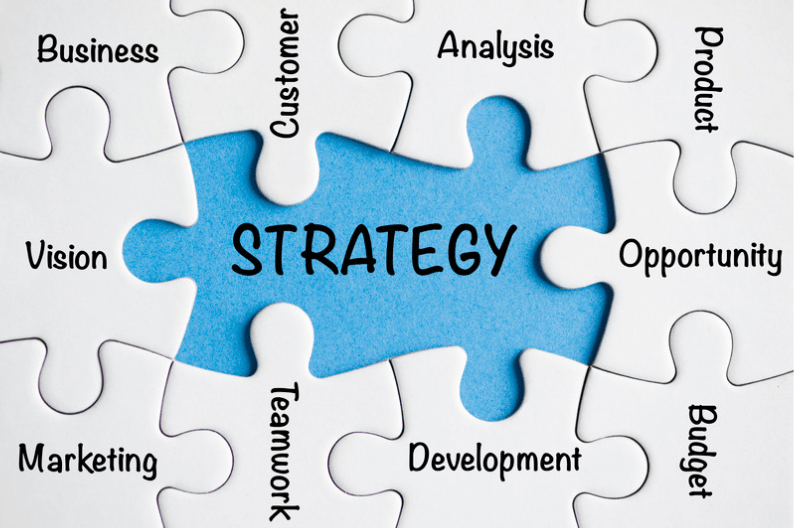
In the fast-paced world of business, sustaining growth demands continuous innovation and adaptation. Recognizing and addressing signs of stagnant growth is crucial. Tips for revitalizing your marketing strategy include: conducting a marketing audit, enhancing content strategy, leveraging data and analytics, investing in marketing technology, focusing on customer experience, and exploring new marketing channels for sustained success.
Breaking Through Growth Barriers: How Executive Coaching Can Help

Businesses encounter growth barriers arising from market saturation, operational inefficiencies, and leadership gaps. Executive coaching tackles these challenges through strategic vision, leadership skill development, operational efficiency improvements, cultural alignment, and accountability. This support empowers leaders to navigate obstacles and achieve sustained growth, making executive coaching a valuable tool for business success.
Enhancing Communication Skills: The Importance of Effective Leadership

Effective leadership relies on strong communication skills to inspire teams, foster trust, and drive innovation. Strategies include active listening, clear verbal and non-verbal communication, constructive feedback, open communication, and emotional intelligence. Developing these skills enhances trust, engagement, collaboration, change navigation, and team performance, essential for successful leadership.
Building a Culture of Accountability: Key Leadership Lessons

In today’s business world, accountability is crucial for success at all levels. Key lessons for fostering this culture include leading by example, setting clear expectations, providing resources, promoting open communication, implementing regular reviews, and recognizing accountable behavior. Real-life examples demonstrate its positive impact. Cultivating accountability requires commitment and support from leadership.
The Role of Emotional Intelligence in Effective Leadership
Effective leadership in today’s business world requires more than just technical skills and industry knowledge. Emotional intelligence (EI) is crucial for navigating complex interpersonal dynamics and driving organizational success. EI enhances decision-making, communication, relationships, employee engagement, and change management. Developing EI through self-reflection, mindfulness, feedback, empathy, and social skills is key to effective leadership.