
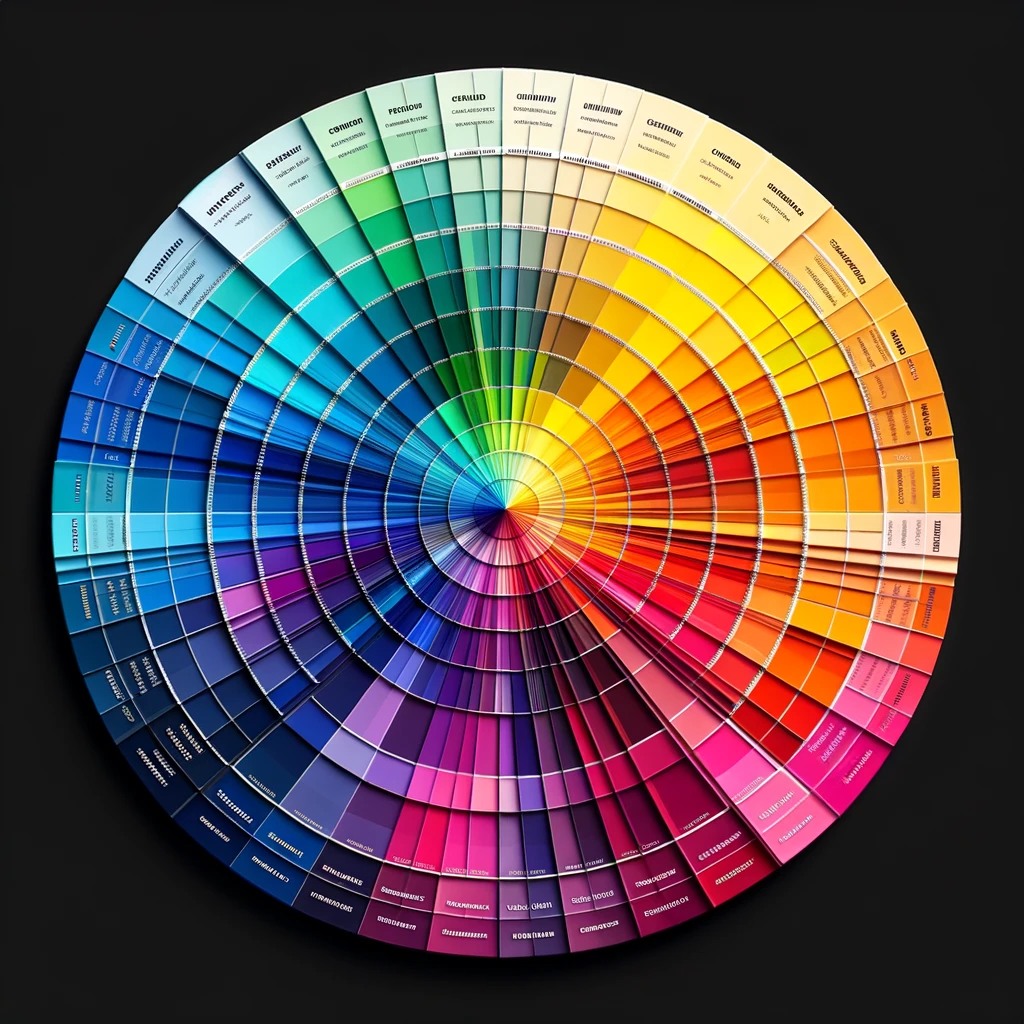
Color is not just a part of your brand’s aesthetic—it’s a powerful communication tool. The colors you choose for your brand can profoundly impact how it is perceived by your target audience. Understanding the psychology behind color choices and their effects can enhance your branding strategy and ensure it aligns with your brand’s values and goals. This blog post will explore the challenges businesses face in selecting brand colors, delve into the psychology of colors, and offer actionable tips to guide your color selection process.
The Challenge: Choosing the Right Brand Colors
Understanding the Issue: Selecting the right brand colors is crucial for any business wanting to establish a strong and consistent identity. The right colors can enhance brand recognition by up to 80% and influence consumer behavior. However, choosing the wrong colors can misalign with your brand’s message and repel your target audience.
The Psychology of Color in Branding
Why Color Matters: Color psychology explores how colors affect perceptions and behaviors. In branding, colors can evoke specific emotions and convey messages without words. For example, blue often instills a sense of trust and reliability, while red can trigger feelings of excitement and urgency.
Examples:
- Blue: Often used by financial institutions for its connotations of trust and stability.
- Red: Used by brands like Coca-Cola and Netflix to evoke excitement and boldness.
- Green: Utilized by companies like Whole Foods to emphasize health and sustainability.
How to Choose Brand Colors
1. Define Your Brand’s Personality and Goals: Start by understanding what your brand stands for. The colors should reinforce and communicate your brand’s personality traits and core values to your audience.
Actionable Steps:
- List the personality traits and values your brand embodies.
- Research which colors best represent these traits according to color psychology.
2. Consider Your Target Audience: Different colors can resonate differently depending on cultural, demographic, and personal factors. Understanding your audience’s preferences and perceptions can help in selecting colors that appeal to them.
Actionable Steps:
- Conduct market research to understand your audience’s color preferences.
- Analyze competitors to see how they use color and how you can stand out.
3. Test Color Combinations: Before finalizing your colors, test them to see how they work together and in different contexts. This can include digital mockups and physical reproductions if applicable.
Actionable Steps:
- Use tools like Adobe Color to test and refine color palettes.
- Get feedback from stakeholders and potential customers on your color choices.
4. Ensure Versatility and Consistency: Your chosen colors should work well across various media and remain consistent in all forms of communication, from your website to packaging to advertising.
Actionable Steps:
- Check how your colors look in different formats (digital, print, merchandise).
- Create a brand style guide that specifies color codes and usage guidelines to maintain consistency.
Conclusion
Choosing the right brand colors is more than just an aesthetic decision; it’s a strategic one that can have significant implications for your brand’s success. By understanding the psychology behind colors and carefully selecting a palette that aligns with your brand’s values and audience preferences, you can create a strong, cohesive brand identity.
Miso Partners can help make the seemingly complex decision of what colors to choose easier! Reach out to set up a free strategy session in which we can help you get started on your branding journey.